As smart cities evolve and traffic volumes grow, intelligent transportation systems (ITS) are becoming vital to modern infrastructure. These systems rely on interconnected technologies—traffic signals, cameras, sensors and data controllers—to manage traffic flow, reduce congestion and enhance roadway safety. Their performance affects everything from commuter delays to emergency response times. With so much at stake, the uptime, safety and reliability of ITS networks are non-negotiable.
To meet these demands, one of the most overlooked yet critical components in any ITS build is the surge protective device (SPD). Below, we examine five core infrastructure challenges and how the right SPDs can help overcome them.
1. Equipment Vulnerability to Power Surges
ITS devices are often deployed in exposed or remote locations—on traffic poles, roadside cabinets or utility pedestals. These spots make them prime targets for lightning strikes, grid switching events and electrical noise from nearby machinery. When a surge strikes, sensitive electronics like traffic controllers, sensors and IP cameras are at risk for failure.
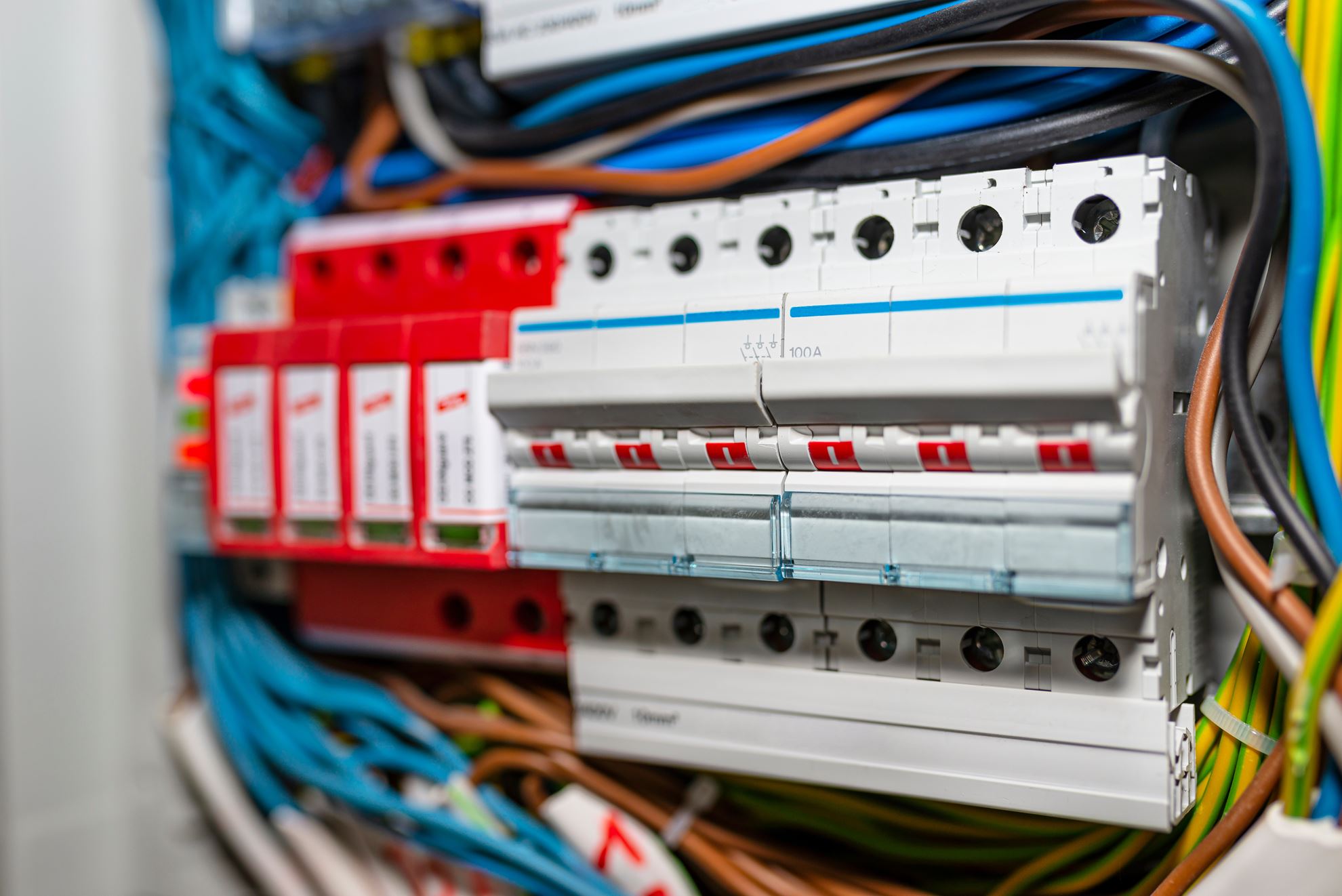
SPDs play a crucial role by intercepting and mitigating transient voltages before they reach vital equipment. In indoor environments like network cabinets or control rooms, SPDs with a compact, DIN-rail mountable form factor are ideal for shielding PoE-powered devices and gigabit links from damaging spikes. For outdoor systems, devices housed in a NEMA-rated enclosure offer robust protection for traffic-mounted cameras, weather sensors and remote access points.
2. Harsh Environmental Conditions
Outdoor ITS infrastructure must endure extreme heat, subzero cold, moisture intrusion and airborne debris. Over time, these factors accelerate wear and shorten the lifespan of sensitive electronics and protective components.
SPDs designed for these environments must include rugged, sealed enclosures and be rated for broad operating temperatures. A unit built with industrial-grade housings and weather-resistant seals ensures uninterrupted performance even during snowstorms, heatwaves or high humidity.
3. System Downtime and Maintenance Costs
Every outage has ripple effects: traffic disruptions, safety risks, missed data and emergency service delays. Field service visits to diagnose and replace damaged equipment can be costly and time-consuming.
SPDs help minimize these risks by filtering out harmful surges before they cause disruption. Models built for clean, consistent power delivery in unpredictable outdoor environments are especially effective for critical loads like LED signage, streetlights and remote power cabinets. By stopping issues before they escalate, these devices reduce maintenance calls and prolong equipment life.
4. Compliance with Evolving ITS Standards
ITS deployments must follow national and regional standards such as IEEE, UL and NEMA TS-2. These frameworks ensure the systems can withstand electrical disturbances and environmental stressors, particularly in mission-critical public safety applications.
Surge protectors used in ITS environments must meet or exceed these same criteria. That includes electromagnetic compatibility, temperature tolerance and surge-handling thresholds. SPDs with certifications for highway and municipal use simplify compliance and instill confidence in government and DOT engineers overseeing installation specs.
5. Space Constraints in ITS Cabinets
ITS enclosures are often packed with gear—switches, controllers, radios, power supplies and wiring. Space is at a premium, leaving little room for large or complex surge protection hardware.
Today’s SPDs must address this challenge with designs that are compact, lightweight and easy to retrofit into existing systems. Whether it’s a high-voltage power panel or a compact traffic controller cabinet, protection solutions should integrate seamlessly without disrupting the layout or airflow.
Summary
ITS infrastructure demands constant up time, precision and resiliency in some of the harshest conditions. Power surges, weather, maintenance challenges, regulatory pressure and cabinet space all present roadblocks. Surge protective devices tailored for these applications solve those challenges head-on, extending system life and protecting the integrity of our transportation networks.
Transtector offers a wide range of surge protector solutions that address these five challenges, some of which are certified under the rigorous standards of the Florida Department of Transportation. Our recent white paper details how two of our SPDs can future-proof modern ITS equipment.
Samples of our ITS-friendly SPDs are now available to request. For more info, visit Transtector.com or contact us at +1 (208) 635-6400.